



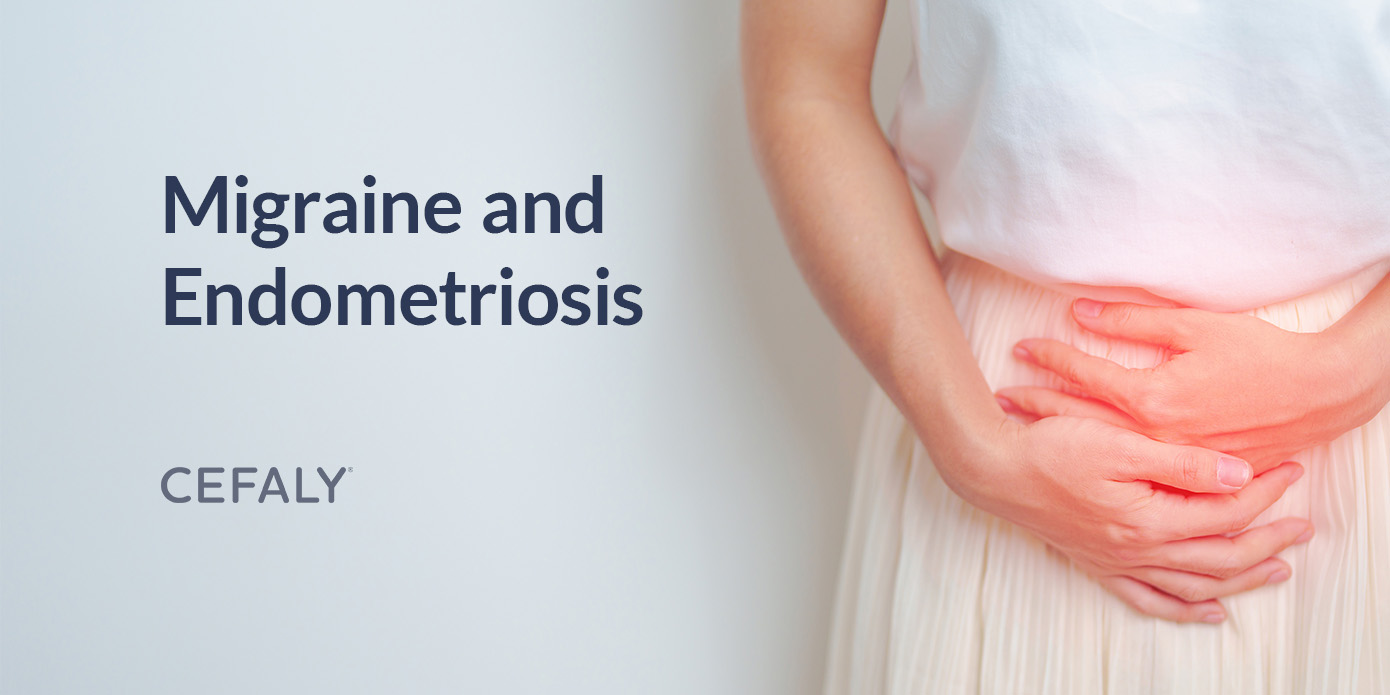
Migraine and Endometriosis
Around 43% of women have experienced a migraine attack at some point in their lives. Migraine disorder is one of the most common conditions worldwide and affects women more than men. Many women also have endometriosis, which is a chronic inflammatory condition. Roughly 10% of all reproduction-age women have endometriosis. While migraine and endometriosis may seem like they have nothing in common, researchers have found a link between the two conditions.
If you have endometriosis and migraine, it’s beneficial to understand both conditions and what connects them. It’s also good to know you’re not alone in your experience. In this article, you’ll learn more about the two disorders and how they’re related. We’ve also included some migraine management tips to help reduce migraine’s impact on your life.
- What is migraine
- What is endometriosis
- Connection between migraine and endometriosis
- Migraine management strategies
What is migraine?
While many people think that migraine is just a “bad headache,” migraineurs know it’s much more than that. Migraine is a complex neurological disorder that can affect your daily life. The disorder looks different for everyone, and headaches are only one of its symptoms. Other migraine symptoms include:
- Pulsing head pain.
- Nausea or vomiting.
- Sensitivity to light and sound.
- Dizziness.
Migraine attacks can affect your whole body and last as long as 72 hours. They occur in stages, starting with prodrome. Prodrome occurs up to 24 hours before an attack. During prodrome, you may experience symptoms like mood changes, difficulty concentrating and trouble sleeping. If you have migraine with aura, you may experience visual and auditory disturbances along with muscle weakness. During the attack, nausea and head pain reach their peak. However, it doesn’t end there — you can feel fatigued, stiff and distracted long after an attack ends.
Many things can trigger a migraine attack, including food, stress, dehydration, weather changes, hormones and lack of sleep.




What is endometriosis?
Endometriosis is a chronic disease that affects women. It typically starts a few years after menstruation begins and can last until menopause. For this reason, the age range for endometriosis is usually 25 to 40 years old. The condition involves endometrium tissue — the uterine lining you shed during menstruation. When you have endometriosis, endometrium-like tissue grows outside the uterus, in places like the ovaries, fallopian tubes, outer uterus and pelvic cavity. In rare cases, it may grow on the bladder, intestines, cervix, stomach or diaphragm.
Endometrium-like tissue is hormone-sensitive. During the menstrual cycle, endometrium tissue is expelled from the uterus. However, endometrium-like tissue growing in other parts of the body can’t shed this way. As it builds up, it can become inflamed and cause scarring, adhesions and cysts. This can be extremely painful and even affect your ability to get pregnant.
Common symptoms of endometriosis include:
- Painful menstrual cramps.
- Pain during sex.
- Heavy or irregular periods.
- Abdominal pain.
- Painful bowel movements.
- Fatigue.
Research on migraine and endometriosis
While migraine isn’t a direct symptom of endometriosis, it is often present in women who live with the condition.
A few studies provide some insight into this phenomenon. Here are some of the most prominent findings:
- Women with endometriosis are more likely to have migraine than those who don’t have endometriosis.
- For women with migraine and endometriosis, migraine often gets worse closer to or during menstruation.
- Dysmenorrhoea — painful menstrual periods — is more common for women with both conditions.
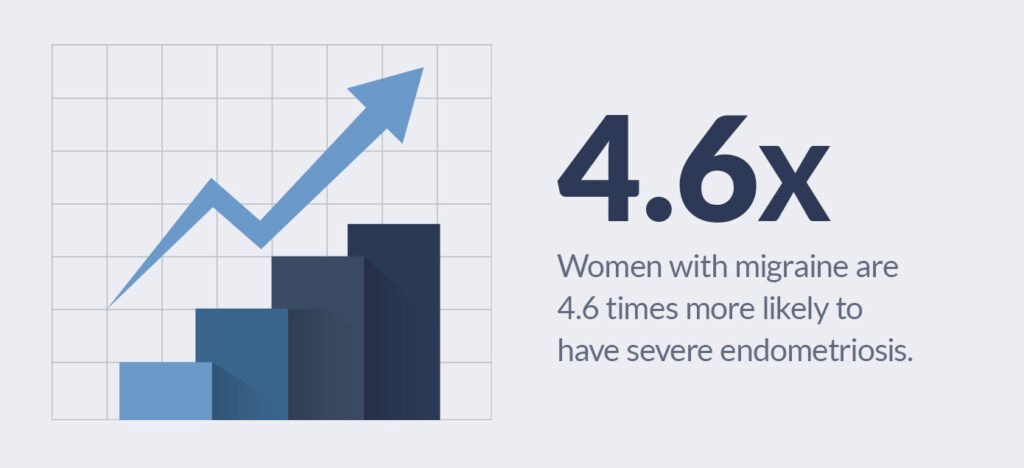
- Women with migraine are 4.6 times more likely to have severe endometriosis.
- Migraine headache symptoms usually start years before individuals get an endometriosis diagnosis.
The connection between migraine and endometriosis
From research findings, it’s clear that comorbidity — the existence of two conditions in one individual — is high with migraine and endometriosis. So, while there is no evidence to suggest endometriosis causes migraine, the two conditions are often associated with one another. Researchers believe that menstrual hormones may play a significant role.
Nearly two out of three women with migraine report that menstruation is a trigger. The reason for this is the change in hormone levels throughout the menstrual cycle. As you get closer to menstruation, your estrogen and progesterone levels drop. When this happens, you’re more likely to have a migraine attack. Anything that results in hormonal fluctuations can impact migraine attacks. Pregnancy, fertility treatments, menopause and certain medications can all affect your hormones and experience with migraine.
Endometriosis is also linked to menstruation. During their period, women with endometriosis experience debilitating cramps. Other symptoms may also flare up around this time. For people with both endometriosis and migraine, two types of migraine — pure menstrual and menstrually related migraine — were the most common. Pure menstrual migraine attacks happen exclusively during menstruation, while menstrually-related migraine attacks happen more frequently at that time. Unfortunately, this means that both migraine headaches and endometriosis pain are likely to occur close together.
Try CEFALY to Prevent & Relieve Migraine Pain
Management strategies for people with migraine and endometriosis
Managing migraine when you live with endometriosis can require an experimental mindset. Some treatments may work better for you than others, so try multiple approaches. The following are a few strategies you can add to your endometriosis migraine management plan:
- Medication: Over-the-counter painkillers — like ibuprofen and acetaminophen — can help relieve both migraine and endometriosis pain. If your migraine pain is particularly bad, you may need a prescription for nonsteroidal anti-inflammatory drugs (NSAIDs) or triptans.
- Hormone therapy: If menstruation is a trigger for you, hormone therapy may help. Your doctor may prescribe a combined oral contraceptive in the form of pills or patches. Hormone therapy can regulate your hormone levels and alleviate migraine pain.
- Avoid triggers: It’s easier said than done, but staying clear of your migraine triggers makes a big difference. While you can’t control some triggers, others are relatively simple to adjust. You can eat healthier foods, drink plenty of water and get enough sleep.
- Acupuncture: A traditional Chinese medicine called acupuncture may reduce the frequency of migraine attacks. The procedure involves inserting needles into pressure points into the body, which helps both migraine head pain and endometriosis.
- Exercise: Consistent light exercise can reduce stress, moderate estrogen levels and lessen inflammation, making it a good treatment option for people with migraine disorder and endometriosis.
- Neuromodulation: Neuromodulation technology uses electrical stimulation to alleviate chronic pain. CEFALY devices directly stimulate the trigeminal nerve, which is the primary pathway for migraine pain.
Have more migraine-free days with CEFALY
CEFALY is the #1 FDA-cleared, drug-free migraine treatment device. It offers two treatment modes — ACUTE and PREVENT. The ACUTE mode is best for when you feel the first signs of a migraine attack. It’ll interrupt the pain signals to make your migraine headache and other symptoms fade away. The PREVENT mode helps desensitize the trigeminal nerve, which can lead to fewer attacks with consistent daily use.
CEFALY is clinically proven to alleviate migraine. In just one hour, 63% of study participants said the ACUTE treatment mode reduced their headache pain by half or more.
Try a CEFALY device for 90 days with a money-back guarantee!



Latest Posts

The Essential Guide To Medical Devices For Migraine
CEFALY is an FDA-cleared medical device that targets the main pathway for migraine pain: the trigeminal nerve (the…
Best At-Home Migraine Neuromodulation Devices for 2026
Migraine affects more than 1 billion people worldwide. For people who want a drug-free option that can be…
Best FDA-Cleared Migraine Devices for Adults in 2026
Migraine affects an estimated 40 million people in the United States, and medication is not the right fit…